
The Future of Global Supply Chains: Resilience in the Face of Disruption
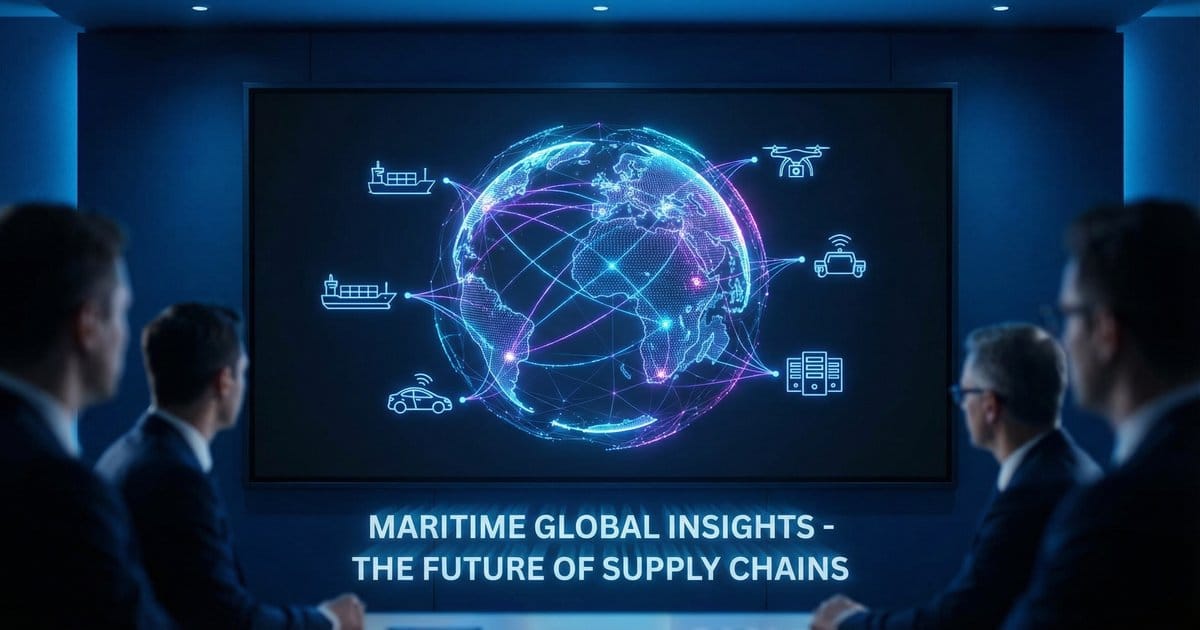
The global supply chain model that powered three decades of economic growth is being fundamentally reshaped. COVID-19 exposed critical vulnerabilities, but the forces driving supply chain transformation go far deeper — geopolitical decoupling, climate change, technological disruption, and shifting consumer expectations are all demanding a new approach to how goods move around the world.
The End of Efficiency-First Supply Chains
For decades, supply chain strategy was dominated by a single objective: cost efficiency. Just-in-time manufacturing, global sourcing from lowest-cost producers, and lean inventory management delivered impressive cost savings but created fragile, opaque supply networks with hidden dependencies and single points of failure.
The pandemic, the Suez Canal blockage, semiconductor shortages, and geopolitical sanctions have demonstrated the catastrophic costs of supply chain disruption. As a result, resilience is now competing with efficiency as a primary supply chain objective.
Four Megatrends Reshaping Supply Chains
1. Geopolitical Fragmentation
The US-China decoupling, sanctions regimes, and the rise of "friend-shoring" are fragmenting global supply chains along geopolitical lines. Companies must now consider not just cost and quality, but also the geopolitical alignment of their suppliers and manufacturing locations.
2. Digital Transformation
AI, IoT, blockchain, and digital twins are enabling unprecedented supply chain visibility and agility. Companies that invest in digital supply chain capabilities will be able to detect disruptions earlier, respond faster, and optimize operations in real time.
3. Sustainability Imperatives
Carbon border adjustment mechanisms, scope 3 emissions reporting requirements, and consumer demand for sustainable products are forcing companies to decarbonize their supply chains. This requires fundamental changes to sourcing, logistics, and packaging strategies.
4. Regionalization
The combination of geopolitical risk, sustainability requirements, and advances in automation is driving a shift from global to regional supply chain architectures. Nearshoring and regionalization reduce transit times, carbon emissions, and geopolitical exposure, though often at higher direct costs.
Building the Resilient Supply Chain
The supply chains of the future will be characterized by greater visibility, diversification, flexibility, and sustainability. Building these capabilities requires significant investment in technology, relationships, and organizational capacity. But the cost of inaction — as recent disruptions have demonstrated — is far greater.
Infocean's Supply Chain Intelligence practice helps organizations navigate this transformation. Contact us to learn more.