
Digital Transformation in the Maritime Sector: A Case for Radical Change
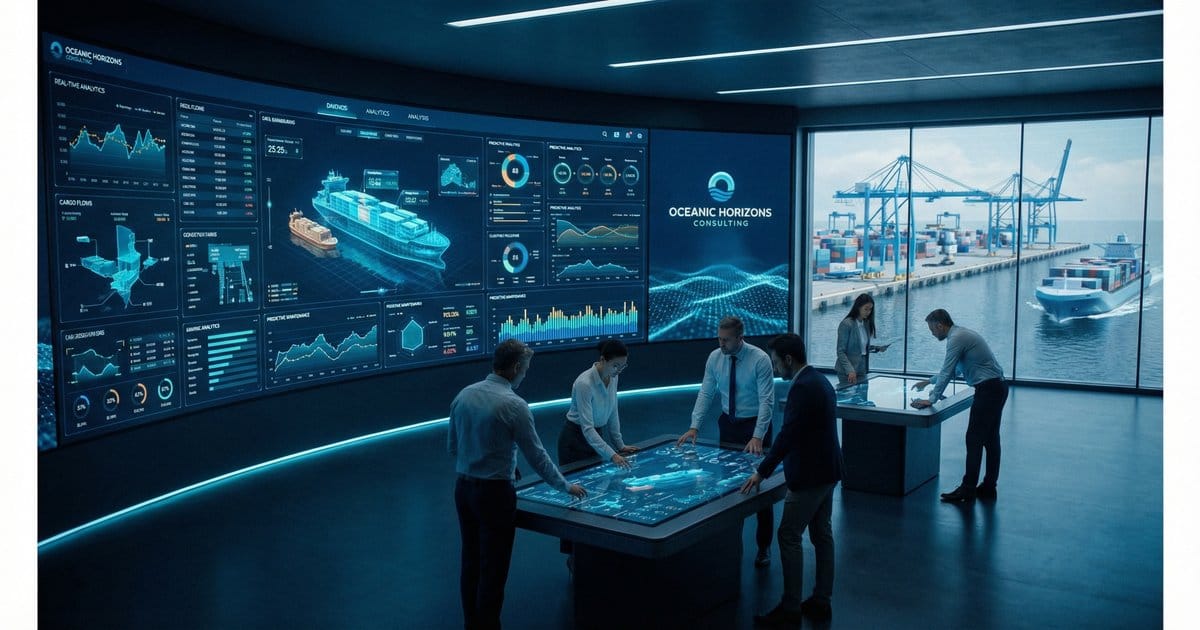
The maritime industry — responsible for transporting over 80% of global trade by volume — has historically been one of the slowest sectors to adopt digital technology. But a confluence of competitive pressures, regulatory requirements, and technological maturity is now driving a wave of digital transformation across shipping, ports, and maritime logistics.
The Digital Imperative
Several forces are compelling maritime organizations to accelerate their digital transformation:
- Regulatory Pressure: IMO's Carbon Intensity Indicator (CII) and the EU Emissions Trading System require sophisticated data collection and reporting capabilities that legacy systems cannot support.
- Competitive Dynamics: Digital-native logistics platforms and tech-enabled competitors are raising customer expectations for visibility, speed, and service quality.
- Operational Efficiency: With volatile freight rates and rising fuel costs, data-driven optimization of vessel operations, maintenance, and commercial decisions is no longer optional.
- Cybersecurity Threats: The 2017 Maersk NotPetya attack and subsequent incidents have highlighted the critical need for robust cybersecurity in maritime operations.
Key Technology Domains
Autonomous and Remote Operations
While fully autonomous vessels remain years away from widespread deployment, remote monitoring and semi-autonomous systems are already transforming vessel operations. Shore-based control centers, predictive maintenance systems, and automated navigation assistance are reducing crew workload and improving safety.
AI and Predictive Analytics
Machine learning models are being deployed across the maritime value chain — from voyage optimization and demand forecasting to predictive maintenance and document processing. The most successful implementations focus on specific, high-value use cases rather than attempting wholesale AI transformation.
Blockchain and Digital Documentation
The maritime industry's reliance on paper documentation creates enormous inefficiency and fraud risk. Blockchain-based platforms for bills of lading, certificates, and trade finance are beginning to gain traction, promising to reduce processing times from days to minutes.
IoT and Sensor Networks
Connected sensors on vessels, containers, and port equipment are generating unprecedented volumes of operational data. When properly collected and analyzed, this data enables real-time performance monitoring, condition-based maintenance, and cargo integrity assurance.
The Path Forward
Successful digital transformation in maritime requires more than technology investment. It demands organizational change management, workforce upskilling, data governance, and a clear strategic vision that connects technology initiatives to business outcomes.
Infocean's Digital Transformation practice helps maritime organizations navigate this journey. Contact us for a consultation.