
White Paper: The Future of Maritime Cybersecurity
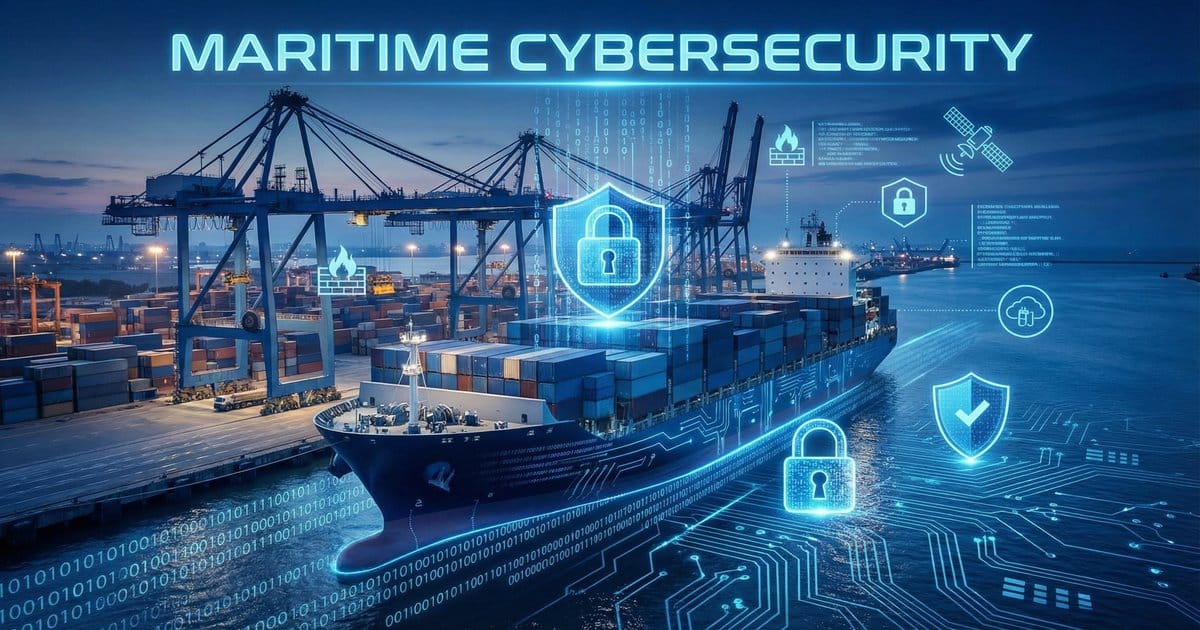
Executive Summary
The maritime industry is experiencing a dramatic increase in cyber attacks, with incidents rising over 400% since 2017. From the devastating NotPetya attack on Maersk to targeted ransomware campaigns against port operators and shipping companies, the threat landscape is evolving rapidly. This white paper examines the current state of maritime cybersecurity, identifies key vulnerabilities, and provides a strategic framework for building cyber resilience.
The Evolving Threat Landscape
Maritime organizations face a unique combination of cyber threats due to their reliance on operational technology (OT) systems, global connectivity requirements, and the high value of the assets and cargo they manage. Key threat vectors include:
- Ransomware: Targeted attacks on shipping companies and port operators that can paralyze operations for days or weeks.
- GPS/AIS Spoofing: Manipulation of navigation and tracking systems that can endanger vessel safety and enable illicit activities.
- Supply Chain Attacks: Compromise of software vendors, port community systems, or logistics platforms to gain access to multiple organizations simultaneously.
- State-Sponsored Attacks: Nation-state actors targeting maritime infrastructure for espionage, disruption, or strategic advantage.
Key Vulnerabilities in Maritime Systems
Our analysis identifies several systemic vulnerabilities that make the maritime industry particularly susceptible to cyber attacks:
- Legacy OT Systems: Many vessels and port facilities operate industrial control systems that were designed decades ago without cybersecurity considerations.
- IT/OT Convergence: The increasing integration of information technology and operational technology creates new attack surfaces.
- Crew and Personnel: Limited cybersecurity awareness among seafarers and shore-based staff remains a critical vulnerability.
- Third-Party Dependencies: Maritime organizations rely on numerous third-party systems and service providers, each representing a potential entry point for attackers.
A Strategic Framework for Maritime Cyber Resilience
1. Governance and Leadership
Cybersecurity must be elevated to a board-level concern with clear accountability, adequate resources, and integration into enterprise risk management frameworks.
2. Risk-Based Approach
Organizations should conduct comprehensive cyber risk assessments covering both IT and OT environments, prioritizing investments based on potential impact and likelihood.
3. Defense in Depth
Implement multiple layers of security controls including network segmentation, access management, endpoint protection, and continuous monitoring.
4. Incident Response Preparedness
Develop and regularly test incident response plans that account for the unique challenges of maritime operations, including limited connectivity at sea and the need to maintain safe vessel operations during a cyber incident.
5. Industry Collaboration
Participate in information sharing initiatives and industry working groups to benefit from collective insights on emerging threats and best practices.
Conclusion
Maritime cybersecurity is no longer optional — it is a fundamental requirement for safe, efficient, and compliant maritime operations. Organizations that invest proactively in cyber resilience will not only protect themselves from potentially devastating attacks but will also gain competitive advantage as customers and regulators increasingly demand robust cybersecurity capabilities.
For a detailed cybersecurity assessment of your maritime operations, contact Infocean's Digital Transformation team.